Understanding the Best and Worse Case Options

bestworstcase

After caring for two parents with dementia, what I believe is that most doctors lean toward life extending measures and often don’t stop and consider the outcomes beyond the immediate resolution to an issue.

I watched as my Dad recovered from hip surgery and was cognitively a different man. He was in great physical health before the surgery (he broke his hip playing racquetball), but we all noticed a decline in his ability to hold a conversation or discuss the finances afterward. He was eventually diagnosed with Alzheimers but the years leading up to his diagnosis was filled with dozens of visits to primary care physicians, and even a neurologist, who dismissed all of our concerns about the changes in our Dad’s thinking and behavior. There really wasn’t a choice about the surgery to make since he was in good shape and had not been diagnosed cognitive issues, but the drastic change has me wondering about surgery later in life. My Dad was 76 when he had this surgery.

A recent report Major surgeries linked to small decline in mental functioning in older age confirms that a decline has been proven. However, they do believe for patients who are developing a brain disease the outcome would be more pronounced. That was definitely true with my Dad.

When Mom fell at 83 and the orthopedic surgeon demanded I lift Mom’s “Do Not Resuscitate” order so she could perform surgery, I balked. I had to ask for the social worker and an internist so I could convey that there is no way my Mom would be in a better place after surgery. She was living in a Memory Care community, had clearly had another stroke and had no idea who I was any longer, and mending her hip would most likely be too difficult for her to survive. As I was pushing back for them to give me options, they worked on getting my mom approved for surgery. Thankfully, the testing ultimately proved she would most likely never make it through the operation. I was able to follow the wishes she conveyed to me over decades as well as spelled out in her medical directives. Mom was moved into hospice care and died two weeks later.

What frustrated me was that there were no discussions about outcomes, just a swift recommendation to fix what was broken.

Too many families have found they end up with increased medical expenses and loved ones that are living, but don’t have the quality of life they expected after surgery in later life. Some admit that they wish they had know both the good and bad possible outcomes — but that isn’t currently how most medical consults currently work.

A few Emergency Rooms are now adding in a “Geriatric Team” to better serve those individuals coming into their hospitals and have a lot more to consider than just fixing the obvious medical emergency. The most important consideration is the what could happen and the life to be lead after.  Should you be in this situation, please demand you get both the best- and worst-case options. Recommended.

Dementia and it’s troublesome sidekick Anxiety

anxiety

The speed at which my Mom could bring me into her anxiety was one of the most alarming shifts in our familiar dynamic. Growing up, my mom was the calm, low-key fixer. In the military life in which I was raised with a dad that was often gone, mom ran the household and raised four kids. She was as adept with a hammer and nails as she was with a spatula and pie pan. So when I started to get panicked calls from her, I usually found myself jumping in a car and driving over to visit. I figured it was now my turn to be the fixer.

There were a lot of personality changes over the years, but the anxiety was one of the issues that troubled me most. I learned when she was anxious how to not join her where she was and redirect to a calmer option. I learned to not disagree or debate what she believed, but also not join in the alarm. In the beginning, I would just excuse myself for a few minutes so I could reset my demeanor. Later, I would suggest something we could do together that would change the setting and take her focus to something else.

Puzzles were a regular feature of mom’s room in Assisted Living. The simple act of setting it up, finding a piece or putting it away always brought calm. When it was nice, we would go for a walk in her community, and some days we just got in the car and would complete a simple errand.

The “therapeutic fibs” are often recommended for those that can’t break the cycle of anxiety they are in. I really struggled with this idea initially but found that the truth teller in me was not helpful in many situations. The most difficult were my mom’s calls about dad being in the hospital and needing a ride to visit him after he died. Neither of us needed to relieve his death over and over and I found the suggestion of a visit to dad calmed her down and let her focus on what to do before I would be coming over.

As a last resort they may prescribe medicine that can help. There were several times in the early days when the doctor encouraged us to use the Ativan she prescribed. When the Life Care Community my parents lived in forced their migration from Independent Living into Assisted Living, I dissolved the pill in a glass of Coke. I started out offering the medication to her, but she was suspicious and would refuse any medication. It’s kind of humorous to me now to tell you that she was so anxious, she wouldn’t take the pill that would help her anxiety, but that was our reality.

Dementia is hard on more than just the individual diagnosed with it, and because our loved ones are usually unable to adapt to the changes happening in their brain, it’s up to us to adapt to help them. Encouraged. 

Difficult People and Dementia

see through boxers

When I hear the statistics about older adults living with dementia, I immediately dismiss them because I believe they are just too low. I know there are many people living with dementia that were never diagnosed and so they have never been counted.

I understand why families choose not to pursue testing. However, I also know that there are so many factors that could contribute to create symptoms of dementia that some might be living with it needlessly.

There are a host of drugs that can alone or in tandem with other drugs may imitate dementia (The Washington Post).

I recently was involved with a family who were very concerned about their father. He was explained to me as a “very difficult person.” As I met with him and the woman who helps him out regularly, it was very clear to me that he had some form of cognitive issue. However, all of those around him are just chalking up his behavior as a personality quirk. The family confirms that he did not always behave in this manner, but over the years he has got more ‘difficult’.

As I was talking with him about how I could help with some of the daily money management issues it was clear he did not comprehend where some of his income was coming from — some was from military service and had been coming to him for over 60 years. There were several small things that demonstrated to me he was having trouble comprehending and processing the information. The fact that he has been unable to pay or manage his day-to-day finances is a big clue. So often I am called after there has been a financial boo-boo that was too glaring to ignore any longer. Ideally, you don’t want to strip them of their control, but just layer in some help.

My final clue was that when I met him, he was in his boxer shorts. He lives in a high-rise complex and was down in the lobby talking to a neighbor when I arrived. As we return to his apartment, I find that I can see right through his mesh boxers to skin. I mentioned this to the woman who is helping him on a regular basis and she confirms that she will ask him to put on a second pair before they leave for lunch. He is intelligent and curious, and as a man in his 90’s, I don’t think he recognized that he is walking around in public in his underwear.

I recognize all of the reasoning we used in my family. You want to respect and honor an individual, but often, it seems to reach the point of failing to possibly address the source of the behavior changes. Maybe they are caused by medication or even hearing loss (you don’t understand what you don’t hear.) For a variety of reasons, I ask that if you find yourself in this position, you advocate to get some medical attention to eliminate possible causes for the change. Suggested. 

According to the World Health Organization: “Dementia is a syndrome – usually of a chronic or progressive nature – in which there is deterioration in cognitive function (i.e. the ability to process thought) beyond what might be expected from normal ageing. It affects memory, thinking, orientation, comprehension, calculation, learning capacity, language, and judgement. Consciousness is not affected. The impairment in cognitive function is commonly accompanied, and occasionally preceded, by deterioration in emotional control, social behaviour, or motivation.”

Falls are Game Changers for Older Adults

FallRisk

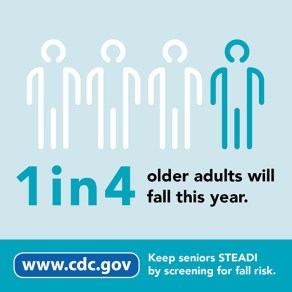
I know you have heard or seen a lot about the risk of a fall. It seems like the smallest of worries when you are dealing with concerns over personal and financial safety.  However, it looms as one thing that changes EVERYTHING for many of the clients with which I work. It was also the pivotal event that preceded my mom’s death.

For my mom, ending up the Emergency Room after a fall in her Memory Care community resulted in another small stroke (or maybe two). While the doctor suggested surgery, I struggled with the idea that if she emerged from surgery, she would actually be cognitively worse and have to manage through the pain and recovery. She didn’t recognize me at the hospital and she was no longer swallowing her food. While the medical solution was surgery, I was advised to tell them she would prefer to “let nature take its course.” The initial tests confirmed that she was too frail to survive the surgery and she moved into hospice care. Unfortunately, my experience is more common than most realize.

According to The Washington Post, “researchers found that frail older women who broke hips were unlikely to fully recover their prefracture qualify of life, even after as many as 10 years.” Another study from the Journal of General Internal Medicine found that only 31 percent of the cohort they followed after breaking a hip recovered to their prefracture ability. They did find that many of the adults were already frail and had trouble walking, dressing, or bathing before the fall.

There are several things that can be done to minimize the fall risk and include:

  • Get exercise. A variety of types of exercise can help from strength training to aerobic activities. Getting someone who has never exercised to exercise can be a fools errand. My mother never exercised but was very active and loved to walk, so we worked to get regular walks. When she needed to move into a Memory Care community, we found one that allowed her to freely (and safely) walk the grounds.
  • Take Fall Prevention Measures. Remove trip hazards like area rugs and keep the floor tidy. This is a ‘no brainer’ that can be harder to manage if your loved one is resistant to give up the rugs they have always had in the hallway, or if they don’t value a tidy room.
  • Eat Well. From addressing any vitamin deficiencies like osteoporosis or neuropathy to maintaining a healthy weight — all are contributing factors to better well-being and fitness.
  • Stop Smoking. Apparently they have found that smoking delayed the heal of a fracture!

I figured being over-prepared is the best defense. The smallest of falls can be the one event that blows up all of your well-made plans. Maybe it’s time to consider how to incorporate ways to combat fall risks into your plans. Recommended. 

Is “rational suicide” the only option?

death

For those of us caring for loved ones with dementia, we are often fighting a battle to honor their wishes and ensure the best life they can lead. My mother started joking about how we should take her out in my early 20s. I lived near my parents and saw them two and three times a week as an adult. My life as a caregiver started in my late 40s.

My Mom was the most vocal. She would often see something and say “If that happens to me, take me out.”  She gave me choices over the years from “push Granise’s chest on me” to “put a pillow over my head”.

As the dementia started to win, I had many discussions with my siblings over my angst. Mom was very clear, but I had no way to honor her wishes … without possibly going to prison.

I have talked about many of the choices we can make to better align with a loved ones wishes previously, but am always happy to share for anyone struggling with something right now. Please know you will make the best choice you can with the information you have today. Those you are caring for are lucky to have you in their life.

If you have something you’d like to discuss, put your notes in comments and I will respond (just put PRIVATE if you do not want it shared as a comment on this post).

Apparently, there is a growing movement for “rational suicide”. You can learn more about this in an article from The Washingon Post. I have internally grappled with this idea for years. I applaud the move to assisted suicide, but someone with any form of cognitive impairment doesn’t qualify. I think this is incredibly unfair, but have no idea how we solve it.

I in no way want to diminish the move to help individuals that are suffering with suicidal thoughts. I believe it is a mental illness that has sadly hit very close to my own home.

So now I feel compelled to give air to this topic. We should not be forcing people to commit “rational suicide” if they have passed a threshold in which everyday living requires them to rely on others to be. I know I would LOVE an option as would many of the individuals and families I work with daily.

Anyone out there with some options? Wished. 

When we can’t find the right words …

Cole&PoppopYesterday was my son’s college graduation. As I drove up, I struggled to shake the feeling of loss that swept over me as I faced another big event without my parents. Since they both battled different forms of dementia, it is a blessing they are no longer on this earth, but how I miss them being able to celebrate another engineer in the family bloodline. My Dad and Cole always ended up in giggles when the two of them got together and he would have reveled in the graduation. 

As I sat at the ceremony listening to the Valedictorian, it became clear that no matter what your age, education, or beliefs, we are all struggling to find the right words to enter into civil discourse. As she and her classmates are preparing to continue their quest to make our world a better place, the things she shared with her peers felt immediately valuable to me as I work with many who have lost the ability to handle the complications of balancing a checkbook, negotiating a contract, or even planning a meal. The added complexity in helping a loved one is that there are the familiar habits and patterns that may put your assistance out of the realm of ‘normal’ and cause discomfort. The best way for me to start a fight with my Mom was to ask if she wanted help with the bills and the checkbook. She didn’t sense any short coming in her abilities so my words felt like a betrayal when I reminded her of the missed water payment or the fact that she signed two contracts for the same home repair with two different vendors.

“Approach with humility and a desire to understand,” suggests Kate Hill. Give ‘space to silence’ and ‘don’t lock the doors’ — two ideas that I think can be applied simply to the role of caregiving.

I know the impatience I felt when I was working, raising two young kids, and also trying to help out my parents. I wanted to just take over and get things done. I needed to allow more time to cross the item off of the task list and include them in the process. So too must we apply this same approach to problems we are facing in our communities, states, and country. 

When our loved ones are already losing so much, the last thing we need to do is to add to the list of losses. I’m excited to see what this generation will do for all of us and appreciate the on words she used to suggest how to be better citizens, friends, colleagues, parents, children, and caregivers. Impressed.

Lying to the ones we love.

Two things that should be a part of every caregiver bootcamp:

  1. An introduction to the medical reality that our loved ones may not be able to recognize that they are having cognitive issues. It’s called Anosognosia and if someone in your life has had a stroke, or been diagnosed with dementia it is something you should understand. The individual is not purposefully dismissing you as I thought of my mother. I assumed she knew something was wrong but decided to ignore it and dismiss my concerns. However, the reality is that most likely she really had no idea that she was failing cognitively. One report cited that a “categorical diagnosis of anosognosia was made in 42% of patients with mild AD” (Alzheimer’s Dementia). Another report cited that over 80% of those diagnosed with varied dementia had anosognosia.
  2. There are times when honesty is painful for everyone when a loved one has dementia. When my mom wondered when Dad was coming home from the hospital, I initially walked her through his death and how we were all surrounding him. I still puddle at the memory of these conversations and it’s been more than five years since I had them with Mom. She relived the pain as did I. Why didn’t I just say that he would be home in a few days? I had a fixed belief that honesty was the best policy … but there were many times when it didn’t serve my Mom.

I wish I had learned and understood this much earlier in my journey as a family caregiver. It will take some time to understand and adapt. However, being armed with this information can help you be a better care partner.

When I finally learned this information and how to apply it, I promised myself that I would tell the truth once and after the initial conversation would find a kinder way to respond to Mom’s questions or demands.

Once I learned how to change, life for both of us got better. Shared.

Giving Back the Checkbook

You know the feeling of helplessness when you don’t have any cash in your pocket and the thing you want requires cash? Well imagine if your loved ones took away your ability to buy things when you feel like you are making good choices.

In my job as a Daily Money Manager, I work for individuals who have usually been diagnosed with mild cognitive impairment or even a specific form of dementia. Usually, at the request of a family member they call and invite me to come meet. They don’t understand why the family is concerned.

I start by asking them how they feel things are going. The response is usually more of “I am managing” and then they usually confess they know they have made “a few over/under payments.” I explain how my job is to help them feel confident in their bill payments and cash flow management. Ultimately, I work to help them feel empowered by continuing to pay bills together.

If I see there is a big concern over exposure to fraud or predatory service providers, I will set up a new checking account. It allows the individual to have a checkbook but the amount of money that is at risk is limited to the money in the account. NOTE: Do not set up overdraft protection but allow the checks to bounce.

A second option is the TrueLink Card. It is basically a funded gift card that you can apply protections to like turning off the ability to charge fees for jewelry, liquor, or phone charges (there are over 20 categories you can tweak). You can see what has been purchased. It does have some complications and limitations as I have seen. One client has had the card fail when he was trying to buy a watch battery (deemed as jewelry) as well as was not able to get his favorite local cheese at the Farmer’s Market because they were using a portable pay device (deemed as a phone charge). I have been able to customize the options and pre-approve that favorite cheese vendor, but when he is at the market, he needs the card to work and it doesn’t always.

At the end of the day, what we want is for our loved one to have meaning and purpose and often, taking away the money can strip them of some independence they deserve.

Is there a way for you to give back that power to a loved one and help them regain a sense of self? Hoped.

Named a Best Alzheimer’s Blog 2019 by Healthline

It’s nice to get recognition. For a fourth year, Healthline has selected Dealing With Dementia one of the Best Alzheimer’s Blogs. I started this blog for many reasons. One was to provide my siblings with insight into the issues I was facing as the only adult child living near my parents. But then it became a way for me to digest what was happening and dissect how I was dealing with it. I have lots of “mea culpa” blog posts. Turns out I finally figured out I learn by doing and I made a lot of mistakes.

Since I’m not one to miss a golden opportunity, I will use this to remind the readers that Alzheimer’s is just one of the five primary types of dementia’s — as shown in the image. It is the most common based on the number of diagnosed cases, but I also know that many individuals are never diagnosed.

Its been more than two years since I cared for a family member with dementia. Today I work with a variety of individuals and families who have been diagnosed and continue to learn how to be a better care partner.

For a full list of the winners, You can visit Healthline. I am honored to be recognized again for this honor. Encouraged.

Working in Tandem as Dementia Progresses

I was really frustrated when I knew that my parents were having trouble managing their household but refused to accept any help. They did not recognize they needed help which is very common for people diagnosed with dementia. And I also recognize I probably came in too strong.

As the disease progressed, my parents started asking me to help. I had backed of and started visiting without an agenda. When asked, I would work in tandem with them or would accept the assignment and transition to a new topic depending on how they presented the task. If we started to work on a task and they grew fatigued or anxious, I would usually ask if we could take a break and go get a cup of tea or take a walk. I had to change so I adapted.

You have probably heard the expression “meet them where they are” but while it seems so simple a concept, it’s often hard to adapt a familiar pattern. As I adapted to be a better family care partner, I started to recognize all the things I was losing. That helped me recognize how difficult it was for my mom and dad as they were also loosing to the disease.

As I work with others diagnosed with varied forms of dementia, it’s much easier for me to meet them where they are. I now see how easy it is to work with them to pay a bill, organize tax papers, and even help them plan for an upcoming luncheon they have attended for years.

My hope is that they can enjoy where they are a little longer. Learned.

It’s time to show up and fight back against Elder Fraud

As this appears, I will be testifying in court against elder fraud. A personal care assistant in my client’s memory care community coerced her to write her a check. Her story is ridiculous and includes tasks sadly my client has been unable to perform for over a year.

This woman has been working in elder care for nearly a decade. Not only did a check get written to her but I also found that my clients credit card was missing. The problem is that most families faced with these issues just don’t have the energy to fight.

I know. I could have fought the many banks that were refusing to accept my power of attorney, but after all of the visits, and tasks to help mom, starting a law suit was the last thing on my mind.

I have pledged to my clients that any work done to fight against fraud is done pro-bono. Many Daily Money Managers donate their time to help out fight frauds and scams on behalf of their clients and I’m honored to be in such a stand-up group of professionals. It is in all of our best interests to get these creeps away from our loved ones and I’m always game for a good fight. Bring it.