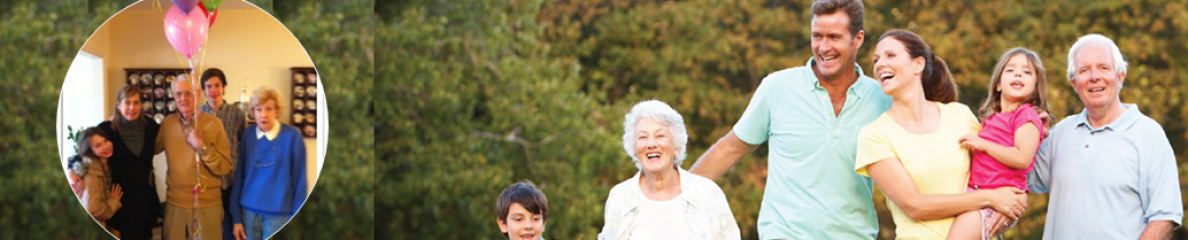
 The fact that 9 out of 10 American’s will need someone to speak on their behalf before the end of their life was documented in a joint study done by the National Institutes of Health and Veteran’s Affairs.
Do yourself and your loved ones a favor by having a discussion about this FACT before you are faced with the reality. Those that step in to help will face a lifetime of guilt and doubt if you have not been clear about end-of-life wishes.
For those of us who have cared for someone with dementia, what we know is that there are years of choices to be made well before end-of-life that can be just as challenging. Telling someone I want to “die in my home” is probably not always practical, so offering some more guidance on ways you would like to spend your time if you have limited mobility or cognitive impairment.
What we know now is that isolation is a very real health issue. What is your social network and how will you be able to stay active if you can no longer drive yourself? What I have seen is that when many of my clients reach their 80s, they are finding that they no longer have local friends who can give them rides if they are still in the area. It get’s hard to make new friends when you aren’t getting out and trying new things.
This Thanksgiving, I hope you will carve out some time to start the conversation with your loved ones on how you plan to live the rest of your life. I’ve included three great resources below, and hope you might start by sharing with friends and family your ideas about how you will spend your time in your 60s and 70s; where you plan to be living and how you will be spending your time.
I am lucky my parents shared their thoughts with me. It made a difficult journey a little easier knowing that we did or are doing what we can to honor their individual wishes.
Hopefully, by reading one of these books you will get some ideas on how to best engage in a positive conversation with your loved ones this Thanksgiving. Wished.
ADDITIONAL RESOURCES
Being Mortal: Medicine and What Matters in the End (B&N $8.93) by Atul Gawande
It’s $11.00 at Amazon and free shipping for Prime members.
In Being Mortal, bestselling author Atul Gawande tackles the hardest challenge of his profession: how medicine can not only improve life but also the process of its ending. Medicine has triumphed in modern times, transforming birth, injury, and infectious disease from harrowing to manageable. But in the inevitable condition of aging and death, the goals of medicine seem too frequently to run counter to the interest of the human spirit.
AARP Roadmap for the Rest of Your Life: Smart Choices About Money, Health, Work, Lifestyle … and Pursuing Your Dreams by Bart Astor
Life after 50 isn’t what it used to be. The rules have changed. No more guaranteed pensions, retiree health plans, or extensive leisure and travel. It’s time to forge new paths and create innovative models. That’s where the AARP Roadmap for the Rest of Your Life comes in. Bart Astor, author of more than a dozen books, offers a comprehensive guide for making lifestyle decisions, growing your nest egg, and realizing your goals. It’s a positive read I highly recommend.
The Conversation Starter Kit
If you want to be the expert on your wishes and those of your loved ones, not the doctors, nurses, or end-of-life experts, check out this free resource (donations accepted) that includes easy discussion starters for the coming holiday. This doesn’t have to be a gloomy conversation. I was lucky my parents shared their wishes with me.
 The number of institutions that have our data and that been hacked is only growing. The reality is that a lot of our personal information has probably been sold or can be found on the “dark web” used by these crooks.
 Given the number of breeches, especially for a loved one that doesn’t need to open a line of credit, it’s time to either put a FRAUD ALERT or a SECURITY (Credit) FREEZE in place.
 I work with a client who has some cognitive impairment and an Alzheimer’s diagnosis. After we work on bill payments and review his accounts, I take the mail to the post office. Well, I took two birthday cards for his daughter, promised to put stamps on them, and mailed then without stamps!
 I’m involved in
  Financial fraud is stealing $36 billion from our elders every year. So often, they don’t recognize it or they are too ashamed to tell family members for fear of repercussions. The Equifax breach is just one more in a long line of complications. One of the things you might do for yourself and your loved ones is to put a lock on your credit. When you need it, you can unlock it, so it will require an extra step … but that is GOOD!
 The choices you are faced with when you are stepping in to help are many and varied. One adult child was telling me how she just got her dad to move into an independent living community and dad was still driving. She shared that he was diagnosed with Alzheimer’s so they wanted to get him somewhere and he seemed to be doing pretty well. I understand the hope to at least get them into a place that is more attuned to help, and that offers other levels of care when needed.
 In the wake of the Equifax breach … which joins a long line of security breaks … I suggest you take a look at your own credit report now.
 In the course of a few days, I talked with two different adult children who are trying to help loved ones but being told their help is not needed. This stage is the worst in my opinion for many reasons. The first is that it is the time when changes can be made to extend the life the individual or couple wants. Cognitive issues don’t go away by ignoring them, and early action offers the most opportunities to make choices and find good solutions for continuing to enjoy life. Unfortunately, you may have to wait until there is a critical failure before you can step into help.