
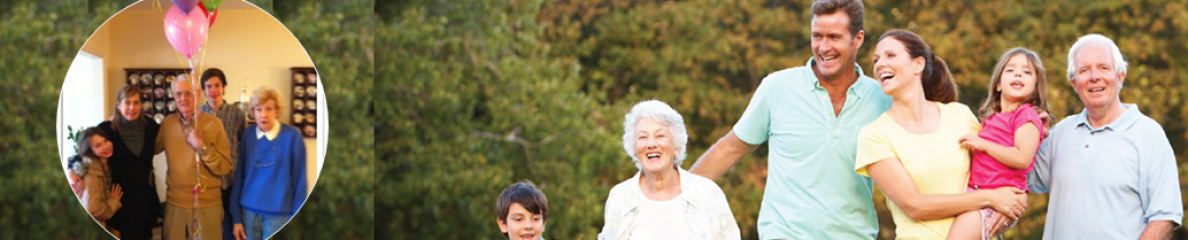
While ANYONE can be at risk of identity theft, helping someone with cognitive impairment or a dementia diagnosis is an amplifying factor in considering risk.

Photo by Ivan Samkov on Pexels.com
I am a huge advocate of helping an individual maintain dignity, meaning and purpose, but want to suggest a few ways to minimize the risks of fraud and identity theft.
1) CREATE A UNIQUE EMAIL PASSCODE. The number of breaches to our online accounts means that if you use repeating passcodes, you need to make sure your email has a unique passcode. Some scams include monitoring your email and sending a message to your Financial Advisor or Mortgage Lender with NEW instructions and can lead to a major financial loss. I was surprised that some fraudsters are putting the work into this one, but after one client had over $40,000 wired out of her IRA to a new bank account, I learned how prevalent the threat of this occurring has become. The next time your financial advisor calls you to confirm you requested the money, be THANKFUL. They are doing this to protect you and your money.
2) DON’T USE THE COMPUTER FOR FINANCIAL ACCOUNT ACCESS. I recommend having the computer used to connect with friends online not have any financial access URLs saved or passcodes stored. Too often, I have had a client respond to a pop-up, or have someone call saying they are “APPLE SUPPORT” and get access to the computer. If you are using it to connect to financial accounts, there is an increased risk of identity theft and fraud.
One of my colleagues walked in to help a client to see someone in the online banking and trying to transfer money out of the account. Thankfully they shut off the computer before any money was taken — but that was too close for comfort. We had a sweep done of the computer and removed the saved links and discussed with him why we did this, and how we could help him access this information in other ways. He is happy he can still get email and access the Zoom calls with his church.
3) SET UP TEXT ALERTS FOR FINANCIAL ACTIVITY. I have done this for my own accounts, and have set this up for clients so I know when money is being spent from the bank and credit card accounts. It’s just a simple way to ensure we get a first alert on any fraudulent activity.
The best offense is a good defense and I hope this give you a few ideas on how best to support a loved one. Suggested.

 A girlfriend just shared how her mom, who is in good health and of sound mind, received a call that she (my girlfriend) had been kidnapped. They wanted her mom to immediately drive to a check cashing place and wire money for her release. Her mom tried to text and call on a second phone, by her daughter was in an appointment with her phone off. Thankfully, her mom navigated it well but it was a quite a traumatic event. Her mom lives in a condo and kept the people on the phone while she went down to the concierge who called the police and helped. However, she was wondering if her mom was really of sound mind if she fell for this.
 I understand how easy it is to “set-it and forget it” so you never miss a payment. However, in reality, you have set up a system that no one is minding and there are many ways for scams and fraud to sneak into your life.
 I see reports about fraud in the family and am never sure who has the right stats. The National Council of Aging reports one set of metrics, and a recent report from AARP says that 75 percent of the abuse is committed by family, friend, or neighbor.
 The FBI did a presentation in November for AARP that had some valuable information that can help older adults. In working with seniors now, I often seen many of these scams played out and work to undo and recoup money that has been siphoned away through exploitation.
 Hallie Swift
 Given the number of breeches, especially for a loved one that doesn’t need to open a line of credit, it’s time to either put a FRAUD ALERT or a SECURITY (Credit) FREEZE in place.